
 English
Views: 0 Author: Site Editor Publish Time: 2026-10-19 Origin: Site
Purchasing a resting place for a loved one is highly stressful. Families often face tight timelines. They experience immense emotional pressure. This pressure makes objective decision-making incredibly difficult during an already painful period. We must acknowledge this high-stakes reality. Technically, a casket is a specially designed rectangular receptacle. We use it for viewing and burying the deceased. People often confuse it. A coffin features a distinct hexagonal shape. Understanding this basic difference is your first step toward clarity. Our goal is to provide a strictly objective framework. We incorporate vital compliance awareness. You will learn how to evaluate different materials, structural features, and pricing realities. You can then navigate this landscape safely. We want you to make informed, pressure-free choices. Families deserve transparency when honoring their loved ones.
Material dictates cost and longevity: Choices range from economical 20-gauge steel and pine to premium bronze and mahogany, directly impacting the final price.
"Protective" features have limits: Gasketed caskets resist outside elements but do not prevent natural decomposition; evaluate these claims with appropriate skepticism.
Federal law protects buyers: The FTC Funeral Rule guarantees consumers the right to purchase a casket from a third-party supplier without facing extra fees from the funeral home.
Cemetery requirements override preferences: Local cemetery rules regarding burial vaults or outer burial containers often dictate which casket types are viable.
The primary driver of price and physical weight is the base material. Buyers must weigh aesthetic preference against budget. They also need to consider strict structural requirements. You will find three main categories. We break them down below.
Metal options dominate the modern funeral industry. They offer distinct durability levels. Manufacturers grade standard carbon steel by gauge. Gauge refers to metal thickness.
20-gauge steel: This is the thinnest option. It remains highly economical. Families on strict budgets often choose it.
18-gauge to 16-gauge steel: These metals are thicker. They weigh significantly more. Manufacturers apply higher-quality paint finishes to them.
Premium metals include copper and bronze. They are naturally rust-resistant. They do not corrode underground. Suppliers price them by weight per square foot. Common industry standards are 32 oz. or 48 oz. weights. Be aware of implementation risks here. Premium metals are extremely heavy. You may require additional pallbearers. The transport process might demand specific structural support.
Wood provides a traditional, warm aesthetic. Prices vary wildly based on species.
Hardwoods: Mahogany, walnut, and cherry represent premium options. They offer unique grain patterns. They are highly durable. Hardwoods command the highest price points among wood types.
Medium to Soft Woods: Oak, maple, pine, and pecan offer mid-tier pricing. Pine remains very traditional. Orthodox religious burials often require zero metal components. Pine fits this need perfectly.
Veneer and Engineered Wood: This is a highly cost-effective alternative. It replicates the look of solid wood. Manufacturers glue a thin top layer over composite board.
Modern consumers increasingly seek green burial options. These prioritize environmental sustainability. You can select wicker, bamboo, or sea-grass. Untreated pine also works well. Cremation processes demand specific designs. Cremation models use combustible materials. Cardboard and cloth-covered composites are common. Facilities design them explicitly for safe incineration.
You must look beyond the exterior shell. Functional variations impact the viewing experience. Aesthetic choices influence the final invoice directly. Let us examine the internal components.
The lid design dictates how attendees view the deceased. Industry terminology uses the word "couch."
Half-Couch: This features a two-piece lid. You only open the upper half for viewing. It remains the industry standard across North America.
Full-Couch: This uses a single-piece lid. It exposes the entire body. You will need different interior tailoring. Floral arrangements also require adjustments.
Fabric choices range from basic to luxurious. They frame the deceased during services.
Crepe: This is the standard choice. It is a lightly crinkled fabric. It remains highly cost-effective.
Velvet: This provides a premium, soft feel. It is quite thick. You typically find it inside higher-gauge metals and solid hardwoods.
Linen and Cotton: These offer a breathable, natural look. Manufacturers frequently use them in eco-friendly builds. Orthodox models also utilize these natural fibers.
A gasket is a rubber seal. Manufacturers place it between the lid and base. They intend to seal the unit against water and soil elements. You must understand the objective reality here. Sellers often market them as "protective." However, FTC guidelines are strict. Funeral providers cannot claim these preserve the body indefinitely. You must evaluate this feature carefully. Determine if the premium charged aligns with your actual priorities. A cemetery vault will ultimately provide the primary structural protection underground.
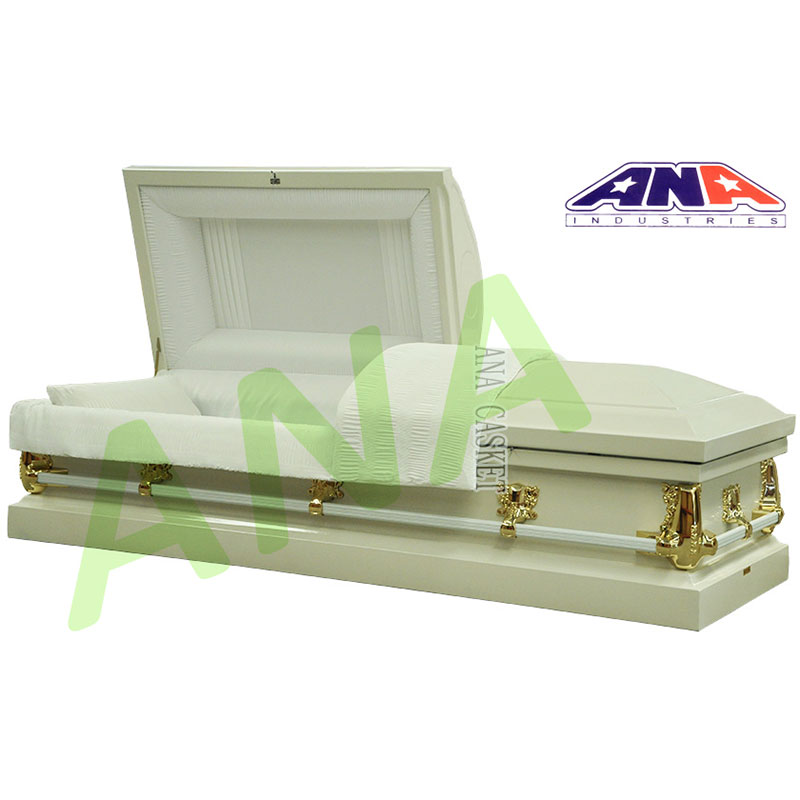
Pricing is notoriously opaque in this industry. Establishing baseline expectations helps immensely. Buyers must identify fair market value. You want to avoid inflated markups. When you shop for a Casket, knowledge is your best defense.
Pricing Tier | Estimated Cost Range | Common Materials Used |
|---|---|---|
Economy | $600 – $1,500 | Cloth-covered, 20-gauge steel, composite woods |
Mid-Range | $1,500 – $3,500 | 18-gauge steel, solid oak/maple, standard stainless |
Premium | $3,500 – $10,000+ | Solid mahogany, bronze, copper, custom finishes |
You must watch for hidden cost drivers. Custom embroidery on the interior panel adds up quickly. Specialized corner hardware increases the price. You might also face expedited shipping fees. This happens frequently during third-party online purchases. Always ask for itemized quotes before signing anything.
Regulatory awareness is a critical tool. Bottom-of-funnel buyers need it to avoid unnecessary financial strain. The Federal Trade Commission regulates this industry strictly. The FTC Funeral Rule protects your wallet.
The law guarantees specific rights. You must understand them.
Consumers have the legal right to buy online. You can also buy from a local third-party dealer.
Funeral homes must accept third-party deliveries. They cannot charge a "handling fee."
Funeral homes cannot require purchasers to be present for the delivery.
Here is your actionable advice. Always request the funeral home's General Price List (GPL). You should also demand the Casket Price List (CPL). Do this before discussing specifics. Federal law mandates they provide these documents. This step ensures transparency from the very beginning.
You need a logical sequence. It helps narrow down options efficiently. This reduces burden during a stressful period. Follow these steps sequentially.
Verify Final Disposition Rules: Check cemetery requirements first. Ask about outer burial containers or vaults. You must also check crematorium restrictions. Do this before looking at any models.
Establish the Hard Budget: Separate your funds clearly. Keep the product budget away from professional service fees. Do not mix it up with cemetery plot costs.
Filter by Material Preference and Religious Needs: Eliminate categories quickly. Remove items failing to fit the deceased's wishes. Ensure religious compliance early on. Some faiths require an all-wood, zero-metal build.
Select Functional Features: Choose your preferred lid style. Decide between half or full couch. Pick a gasketed or non-gasketed model based on your viewing plan.
Compare Suppliers: Contrast the funeral home's CPL against reputable online vendors. Look at third-party dealers. Compare exact or highly comparable models. Find the best financial fit.
Purchasing a resting place requires balance. You want to honor the deceased properly. You must adhere to structural requirements. You also need to maintain strict budget discipline. Always exercise your FTC rights. Compare prices across multiple vendors. Never let aggressive sales tactics rush your decision. Start your process today. Browse a specific product catalog online. Download a comparison checklist to track prices. You can also consult an independent supply representative. They will confirm inventory availability and guide your final choice.
A: Yes. Many funeral homes offer rental options. They provide an attractive exterior shell. Workers place a removable, combustible interior insert inside it. This insert holds the body. After the viewing, they remove the insert for cremation. Renting remains highly cost-effective compared to buying a premium model outright.
A: Standard internal dimensions are typically 84 inches long, 28 inches wide, and 23 inches high. This size accommodates most average adults. Manufacturers also produce oversized models. These provide extra width, usually ranging from 29 to 31 inches internally.
A: No. Sealing is entirely optional. It is never legally required by state or federal law. A rubber gasket simply resists water and dirt temporarily. It does not halt natural decomposition. Marketing myths often overstate its protective value.
A: Yes. Most standard models fit perfectly into standard 30-inch wide burial vaults. However, oversized models will require oversized vaults. This upgrade will significantly increase your total cemetery costs. Always verify dimensions beforehand.


