
 English
Views: 0 Author: Site Editor Publish Time: 2026-10-26 Origin: Site
Navigating end-of-life planning often brings unexpected practical and financial pressures. Families frequently face difficult decisions during an already emotionally exhausting time. Selecting the right resting place requires balancing your budget, visual preferences, and specific structural requirements. You might find yourself torn between two very popular options. Many consider choosing either a veneer wood casket or a solid hardwood alternative. Both choices offer distinct advantages. Understanding their true differences can relieve unnecessary stress. We aim to guide this stressful purchasing decision. We maintain an objective, transparent tone. We avoid emotional manipulation entirely. You deserve clear facts to make the best choice. In this guide, you will learn exactly how these materials differ. We will explore their construction, appearance, and overall value. We cover everything from handling logistics to aesthetic finishes. Ultimately, this breakdown empowers you to select an appropriate tribute. You can perfectly align this final choice with your family values.
Cost-to-Appearance Ratio: Veneer wood caskets provide the premium look of hardwoods (like mahogany or walnut) at a significantly lower price point.
Material Composition: Solid hardwood caskets are constructed entirely from natural wood planks, while veneers use a thin layer of premium wood bonded to a durable, engineered wood core.
Weight Differences: Solid wood is substantially heavier, impacting transportation and handling, whereas veneer is lighter and often easier to maneuver.
End-of-Life Suitability: Both options offer the traditional warmth and character of wood and are generally suitable for both burial and cremation, subject to specific cemetery or crematory guidelines.
Engineered wood forms the core structure. Manufacturers typically choose medium-density fiberboard or particleboard. Medium-density fiberboard consists of wood fibers pressed tightly together. Manufacturers mix these fibers with heavy-duty wax and resin binders. High temperatures and immense pressure form rigid panels. These panels lack the natural grain direction causing solid wood to split. They naturally resist warping under fluctuating temperatures. Woodworkers apply a thin layer of real wood over this core. We call this process veneer application. Artisans finish this outer layer carefully. They replicate the luxurious grain patterns of solid timber. Modern manufacturing relies on advanced bonding resins. These resins adhere the thin wood securely to the engineered core. Structural integrity remains incredibly strong. You can confidently select a Veneer Wood Casket for any standard funeral. It easily meets all structural requirements for standard burial practices. The resins prevent peeling or delamination during the viewing process.
Woodworkers craft these units entirely from solid timber. They select premium species like oak, cherry, walnut, or mahogany. Raw logs arrive at the sawmill directly. Workers cut them into thick planks. The wood must dry in large kilns for several weeks. This drying process removes excess moisture. Removing moisture prevents severe cracking later. Once dried, carpenters cut and shape every individual piece by hand. These natural wood planks provide the entire structural foundation. The craftsmanship involved requires immense skill. Artisans highlight natural grain variations through careful sanding. Hand-rubbed finishes showcase the unique character traits of pure wood. No two units ever look exactly alike. However, natural materials possess inherent vulnerabilities. Solid wood naturally expands and contracts. Changing humidity levels cause these shifts. This movement rarely poses a problem on short burial timelines. Most families complete funeral services within a week or two. A Solid Hardwood Casket offers unmatched authenticity for those prioritizing traditional craftsmanship.
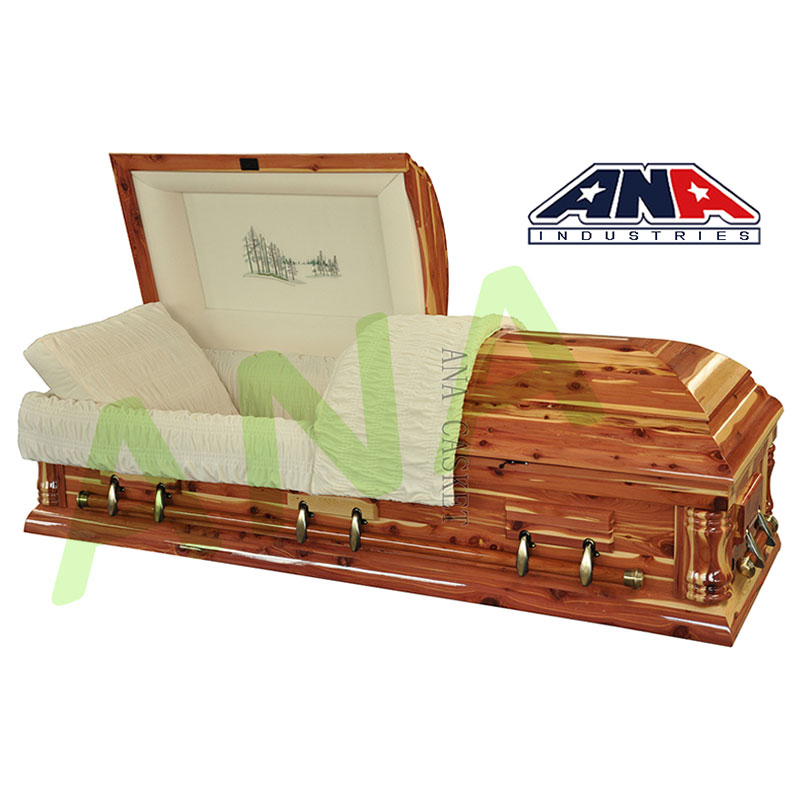
Families often worry about the aesthetic gap between materials. They wonder if guests will notice a cheaper construction. Modern manufacturing techniques completely transform the visual outcome. High-quality veneer appears almost visually indistinguishable from solid wood. The untrained eye rarely detects any difference. Advanced finishing methods create stunning, lifelike surfaces.
Grain consistency reveals the most noticeable variation. Solid wood features a unique, irregular natural grain. You will see authentic knots, mineral streaks, and burls. Nature creates these beautiful imperfections. Oak features a prominent, highly visible grain pattern. Cherry offers a smoother texture turning rich red over time. Walnut provides deep, luxurious chocolate tones. Conversely, veneer often presents a highly uniform pattern. Manufacturers slice the wood meticulously. They control the visual flow. This creates a predictable, harmonious appearance. Some families actually prefer this controlled consistency.
Both materials accept gorgeous finish options. The finishing process requires multiple steps. Workers apply base stains to enhance the natural color. They seal the wood to protect the surface. Finally, they apply topcoats for the desired sheen. You can select high-gloss polished surfaces. You might prefer subdued satin finishes instead. The finish dramatically impacts the final perceived value. A brilliant high-gloss coat elevates a simple grain. It creates a formal, elegant presentation. A matte satin finish offers understated warmth. It feels more natural and inviting. Your choice depends entirely on the desired tone of the memorial.
Pricing usually dictates the final decision. We must establish baseline pricing tiers to clarify expectations. Veneer units provide significant savings. They typically cost 30% to 50% less than their solid counterparts. This price reduction offers immense relief to grieving families.
Let us analyze the cost drivers for solid hardwood. Raw material scarcity heavily influences the price. Premium wood species remain expensive to source. Specialized milling processes require heavy industrial machinery. Labor-intensive craftsmanship adds substantial overhead costs. Artisans spend countless hours shaping, sanding, and assembling heavy planks. You pay a premium for this traditional dedication.
Understanding this creates a powerful value proposition. Funerals encompass many hidden costs. You must pay for cemetery plots. Grave liners or burial vaults add separate fees. Professional service fees add up quickly. Choosing a veneer model frees up essential funds. Families can allocate their budget to other vital memorial services. You might upgrade the floral arrangements. You could host a larger catered reception. You might even establish a small memorial fund. You achieve all this without sacrificing aesthetics. You maintain the traditional warmth of a beautiful wooden resting place.
Evaluation Feature | Veneer Wood Construction | Solid Hardwood Construction |
|---|---|---|
Average Cost Savings | 30% to 50% less expensive | Baseline premium pricing |
Visual Appearance | Highly uniform, predictable grain | Unique, irregular, natural grain |
Labor Intensity | Automated pressing and bonding | Hand-sanding and shaping |
Best Value For | Strict budgets requiring premium looks | Heirloom authenticity and tradition |
Physical weight directly impacts funeral logistics. Solid hardwoods require robust handling procedures. Dense species like mahogany weigh a tremendous amount. Solid units often exceed two hundred pounds empty. This weight places physical strain on pallbearers. Most families ask relatives or close friends to serve as pallbearers. These individuals might lack experience carrying heavy loads. A heavy unit combined with the deceased's weight creates a massive burden. Navigating narrow church aisles becomes challenging. Carrying a heavy unit over sloping cemetery grounds requires significant effort.
Veneers offer a much lighter footprint. The engineered core reduces overall mass. They remain far easier to maneuver. Pallbearers experience less physical stress during the service. Lighter units protect your family members from physical strain. Transport logistics run much smoother overall. Funeral directors appreciate the reduced handling risks.
Environmental impact concerns many modern families. We must evaluate the solid wood footprint carefully. Sourcing mature hardwood trees depletes natural forests. A single oak tree requires decades to reach maturity. Harvesting these trees leaves a notable ecological mark.
We also evaluate the veneer footprint. This method maximizes the yield of premium woods. One mature log produces thousands of square feet of veneer. Manufacturers utilize recycled materials for the engineered core. This practice reduces timber waste significantly. However, you must consider the adhesives. Core boards and veneers rely on synthetic resins.
Green burial compliance requires careful attention. True green burial emphasizes total decomposition. Traditional cemeteries require rigid outer burial vaults. Natural burial grounds forbid vaults entirely. They want the casket to return to the earth quickly. Standard varnishes and glues typically disqualify both types. Strict natural burial grounds prohibit synthetic chemicals. Thick lacquer finishes delay this natural return. Formaldehyde-based glues contaminate the surrounding soil. Always verify specific rules beforehand. You might need an unfinished, glue-free alternative for strict green cemeteries.
Making a final selection requires structured thinking. Follow these simple steps to guide your choice.
Assess your total funeral budget realistically before visiting a showroom.
Determine the specific aesthetic preferences and values of your family.
Evaluate any physical handling limitations regarding your chosen pallbearers.
Check the specific environmental regulations of your chosen cemetery or crematory.
Review the criteria below to make an informed purchase.
Choose a Veneer Wood Casket if:
The budget is tightly constrained but a premium wood aesthetic is required.
The family prefers a highly uniform grain pattern without natural knots.
The casket requires frequent or complex transportation where weight is a primary concern.
Choose a Solid Hardwood Casket if:
Authenticity, heirloom-level craftsmanship, and natural character are top priorities.
Budget flexibility allows for premium material investment.
The family places high emotional value on traditional, solid-timber construction.
We must reiterate one crucial fact. Neither option is inherently better than the other. The right choice depends entirely on your unique situation. You must align your budget limitations with your family values. Both materials provide a dignified, respectful resting place. We highly advise readers to request itemized pricing early. Ask your funeral director for clear cost breakdowns. Check online retailers to compare standard rates. Do this before making any final commitment. Transparency prevents unexpected financial burdens. Finally, we encourage you to view product galleries online. Examine both veneer and solid wood options closely. Compare the finishes directly side by side. Seeing the products visually will confirm your final decision.
A: Yes, they are highly combustible. Funeral directors often prefer them for cremation services. They cost significantly less than solid timber. They also lack heavy metal hardware. Crematories appreciate the clean burning nature of engineered wood cores. Always verify specific crematory guidelines, but they generally serve as an excellent, economical cremation choice.
A: No, metal offers greater structural longevity. Wood naturally decomposes over time. Moisture and soil acidity eventually break down natural timber. Families choose wood for its inherent warmth and traditional beauty. They do not choose it for absolute permanence. Metal resists the elements longer, but wood provides unmatched emotional resonance.
A: Modern veneers demonstrate exceptional durability. Advanced industrial resins bond the layers permanently. You will not see warping or peeling during standard viewing periods. The window between purchase and burial or cremation remains quite short. These products easily withstand environmental changes during this brief, critical timeframe.


