
 English
Views: 0 Author: Site Editor Publish Time: 2026-10-29 Origin: Site
The steady rise in cremation rates fundamentally shifts funeral home revenue models across the industry. Traditional burial options no longer dominate the market as they did decades ago. You see families increasingly opting for cremation every year, driven by changing traditions and economic factors. This trend directly causes traditional burial casket sales to decline. Operators must now effectively bridge the gap between basic alternative containers and premium offerings. Procuring the right inventory is no longer just about meeting base compliance standards. It represents a critical business decision affecting profit margins, operational efficiency, and the family’s grieving experience. Navigating direct-to-consumer competitors and strict regulatory requirements adds further complexity. This guide provides a bottom-of-funnel evaluation framework. Funeral directors and procurement managers will learn how to assess, select, and price a Cremation Casket effectively. You will discover practical strategies to protect your bottom line while elevating the service you provide to grieving families.
Strategic Inventory: A balanced selection of cloth-covered, all-wood, and rental caskets protects revenue while offering families dignified choices for pre-cremation viewings.
Crematory Compliance: Procurement must prioritize structural integrity alongside strict material combustibility (zero metal, non-toxic finishes) to protect crematory equipment and staff.
Regulatory Reality: Operators must price and present cremation caskets in strict adherence to the FTC Funeral Rule, remaining prepared to handle third-party online deliveries without friction.
Supplier Reliability: Vendor evaluation should focus heavily on regional distribution logistics, flat-pack vs. assembled shipping, and consistent lead times for at-need arrangements.
Many operators historically rely solely on bare cardboard alternative containers to fulfill cremation requests. This outdated approach yields poor margins. It also utterly fails to serve families desiring a traditional viewing prior to cremation. Cardboard boxes lack the visual dignity required for public memorials. You lose substantial revenue when you do not offer clearly structured upgrade paths. A well-designed inventory mix provides a visually dignified presentation for the deceased. It meets strict crematory emission standards flawlessly. It also offers logical, stepped price points for consumers navigating difficult choices.
Families actively want choices reflecting the life and personality of their loved one. You must balance affordability with premium aesthetics to serve diverse demographics. Direct-to-Consumer (DTC) online casket companies aggressively target your core clientele every single day. They promise fast shipping, lower prices, and vast selections. Operators must offer competitive, immediately available in-house alternatives. Retaining this crucial revenue stream requires proactive inventory management. You cannot simply wait for families to ask about better options. You need a curated, visible selection ready for immediate use. Offering diverse choices demonstrates profound respect for the families you serve while solidifying your market position.
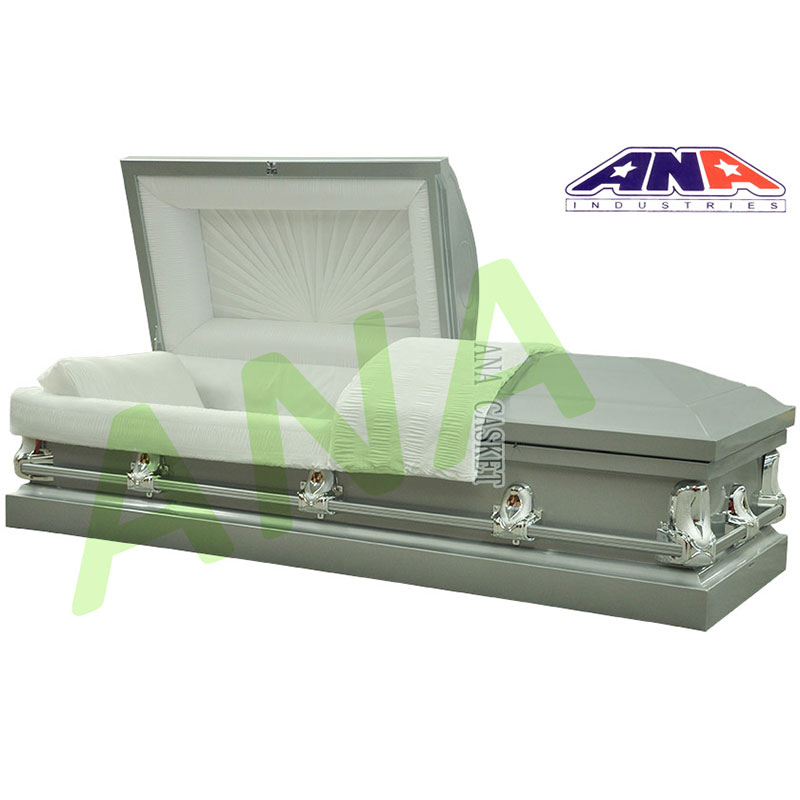
Families approach funeral arrangements holding vastly different expectations and budgets. Offering distinct product categories helps them make confident, unpressured decisions. You must deeply understand the specific benefits and logistical limitations of each type to advise them properly.
These units feature heavy-duty corrugated cardboard or basic composite particleboard bases. Manufacturers cover them in simple, modest cloth materials like doeskin or canvas. They work best for budget-conscious families. They offer a modest but noticeable upgrade from a standard alternative container. They look softer, more traditional, and more presentable for private family viewings. Their highly combustible nature ensures an incredibly clean burn inside the retort. Wholesale costs remain exceptionally low, allowing for healthy markups. However, they easily suffer moisture damage during transport or refrigeration. They also carry a significantly lower perceived value compared to traditional wood options. You must store them carefully in climate-controlled areas to prevent warping.
Wood units provide extraordinary aesthetic appeal for formal services. They look nearly identical to traditional burial caskets. They suit traditional public viewings or religious services held directly prior to cremation perfectly. You can achieve much higher margin potential within this specific category. You must rigorously vet these units during the procurement phase. They strictly require zero metal hardware. Hinges, clasps, and structural joints must utilize wood dowels or specifically engineered combustible plastics. Hidden metal parts will severely damage retort refractory brick. A beautifully crafted Cremation Casket honors the deceased while ensuring complete operational safety. Manufacturers often use lighter woods like pine or specialized veneers to keep weight manageable and emissions low.
Rental units cater specifically to high-end viewings and elaborate services. Families often want premium aesthetics without purchasing a heavy burial-grade casket destined solely for the retort. You purchase a high-quality hardwood outer shell featuring premium finishes and hardware. Families then buy a replaceable, entirely combustible corrugated insert. This model absolutely demands a high initial capital expenditure. However, it yields the absolute highest long-term return on investment for your funeral home. You must maintain incredibly strict operational protocols. Staff must sanitize the solid outer shell meticulously after every single use. Smooth, respectful insert replacement is critical for operational efficiency and facility hygiene.
Cremation Casket Category Comparison
Category | Best For | Margin Potential | Operational Considerations |
|---|---|---|---|
Cloth-Covered | Budget-conscious upgrades | Low to Medium | Moisture sensitivity, requires careful climate-controlled storage |
All-Wood / Veneer | Traditional public viewings | High | Strict zero-metal verification needed to protect crematory retorts |
Rental Caskets | Premium aesthetic services | Highest over lifespan | Rigorous sanitization protocols, consistent insert replacement labor |
Your overall supply chain dictates your operational success. Choosing the right vendor involves much more than just comparing simple wholesale prices. You need reliable industry partners who deeply understand crematory mechanics, environmental regulations, and local logistics.
Never compromise on basic material safety or environmental compliance. Confirm exact material specifications before signing any bulk purchase orders. Adhesives, exterior varnishes, and base materials must burn entirely clean. Improper synthetic materials create toxic emissions. They can also cause highly dangerous temperature spikes inside the retort, sometimes exceeding safe thresholds of 1800 degrees Fahrenheit. Such catastrophic events create severe liability issues for your funeral home. You must also proactively verify structural integrity. Check the maximum weight ratings for every single model you stock. Your staff requires adequate protection during transfers and loading procedures. A weak base can cause catastrophic, undignified failures during handling or transportation.
Vendor delivery lead times literally make or break your arrangement process. Cremation timelines often feel highly compressed compared to traditional burials. Families typically want services completed quickly and efficiently. Local warehousing serves as a massive logistical advantage. Guaranteed overnight freight constitutes a mandatory vendor requirement in today's fast-paced market. Assess the shipping format carefully before committing to a supplier. Vendors ship units either flat-packed or fully assembled. Flat-pack units save significant freight costs. However, they demand dedicated staff labor, usually requiring 15 to 20 minutes per unit for assembly. Fully assembled units save precious time but consume massive warehouse storage capacity. Evaluate these formats against your facility's specific space constraints and labor availability.
Price your in-house inventory highly strategically. Analyze the true landed cost for every unit you procure. This total cost must include freight, handling labor, and ongoing storage fees. Establishing competitive pricing requires a completely clear view of your operational expenses. Align these retail prices intelligently with your current General Price List (GPL). Maintain logical, clear price steps between your basic and premium tiers. This deliberate strategy prevents consumer decision fatigue and gently guides them toward suitable, dignified choices without overwhelming them.
Federal regulatory oversight governs nearly every aspect of funeral home sales. You must operate transparently to avoid massive regulatory fines. Independent online retailers continuously challenge traditional sales models.
Strict adherence to the FTC Funeral Rule remains entirely non-negotiable. Families possess the absolute legal right to purchase a casket from any third party. They increasingly buy from online retailers or specialized direct-to-consumer brands. You absolutely cannot charge arbitrary handling fees for receiving these outside deliveries. You cannot legally mandate the family's physical presence during the delivery process. Ensure your GPL clearly and distinctly differentiates between basic "Alternative Containers" and formal cremation units. Your pricing for both distinct categories must remain completely transparent and easily understandable.
Do not treat outside vendor deliveries as a frustrating annoyance. Develop a robust, documented standard operating procedure (SOP) for receiving them. Inspecting third-party deliveries immediately upon arrival is absolutely critical. You must actively look for hidden metal components or non-combustible materials. This vital inspection guarantees crematory safety and prevents equipment damage. Adopt a smart, modern competitive strategy. Do not fight third-party sales aggressively or make families feel guilty. Instead, focus entirely on competitive, transparent pricing. Highlight the extreme convenience of your guaranteed-compliant, immediately available inventory. Families highly value immediate availability and total peace of mind during stressful times.
The best inventory mix fails completely if counselors cannot present it effectively. The arrangement room heavily requires empathy, absolute clarity, and structural guidance. You must empower grieving families to make highly informed choices without feeling pressured.
Families often feel defensive about perceived upselling tactics. Train your arrangement counselors carefully and continuously. They must confidently present a Cremation Casket as a standard, normal part of the planning process. Never treat it as an aggressive or optional upsell. Frame the entire conversation around their specific memorial needs and viewing plans. Emphasize overall dignity and profound respect for the deceased. When counselors speak transparently about costs and options, families quickly lower their guard. Building deep trust yields far better business results than applying pressure.
Use a highly consistent framework to guide the arrangement conversation. This reliable structure keeps arrangements entirely focused and helpful.
Assess the Service Type: First, determine the family's broader service plans. Ask gently if they plan a public viewing, a private family goodbye, or a direct cremation. The selected service type dictates the required container choice entirely.
Explain the Mechanics: Transparently explain the exact difference between burial and cremation units. Note how traditional burial caskets contain heavy metals and complex mechanisms. Explain how manufacturers engineer cremation units specifically for clean, safe combustion. This objective explanation instantly establishes your professional expertise.
Present Options Visually: People frequently struggle to visualize these complex products based on text descriptions alone. Use physical display quarter-panels to show actual build quality. Implement a high-resolution digital catalog for broad selection viewing. Dedicate a specific showroom section to demonstrate value differences clearly. Show them basic containers, premium wood builds, and rental options side-by-side.
Conclusion
Transitioning to a highly functional cremation inventory requires permanently moving away from legacy purchasing habits. You simply cannot rely on outdated strategies in a modern, dynamic market. Audit your current vendor relationships immediately. Eliminate suppliers who continually fail to meet strict crematory compliance standards or miss delivery deadlines. Ensure your pricing and physical presentation strictly follow the FTC Funeral Rule mandates. Finally, train your frontline staff to properly frame these vital options using a structured, empathetic advisory approach. Funeral homes can protect their profit margins effectively through smart procurement. More importantly, you provide grieving families with the dignified, appropriate choices they deserve. Taking these strategic steps successfully secures your business's future in a highly competitive, cremation-dominant industry.
A: A cremation casket is engineered to be entirely combustible. It uses wood dowels, specialized adhesives, and combustible hinges rather than the steel, copper, or heavy metal hardware found in traditional burial caskets, which would damage crematory equipment.
A: If a third-party casket contains non-combustible materials, the operator must legally accept it under the FTC Funeral Rule, but the crematory reserves the right to refuse it for the actual cremation process. Operators should clearly communicate crematory material requirements to families before they purchase online.
A: Depending on usage volume and handling care, a high-quality hardwood rental casket shell typically lasts between 30 to 50 uses before interior mechanisms or exterior finishes require replacement or heavy refurbishment.
A: No, but they must meet the minimum structural requirements of your local crematory and state health department regarding leak resistance, rigidity, and combustibility.


