
 English
Views: 0 Author: Site Editor Publish Time: 2026-08-15 Origin: Site
Making final arrangements for a loved one is rarely an easy task. Families often feel deeply overwhelmed by the sheer number of choices available during such an emotional time. Selecting the right resting place ranks among the biggest decisions you will face. A Stainless Steel Casket provides a highly strategic middle-ground for many buyers. It offers the impressive durability and premium aesthetics typically found in high-end metals like copper or bronze. Fortunately, you avoid the exorbitant price tags usually associated with those luxury materials. This guide delivers an objective, fact-based framework for evaluating these specific options. You will learn about material grades, protective features, and practical budgeting tips. Armed with this knowledge, you can navigate the complex funeral industry easily. Families can make an informed, confident purchase that beautifully honors their loved one's legacy.
Durability & Value: Stainless steel offers superior rust and corrosion resistance compared to standard carbon steel, acting as an "affordable luxury" option.
Material Grades Matter: Quality varies primarily by the grade of the alloy (e.g., premium 304 series vs. basic stainless) rather than just thickness.
Consumer Rights: Under the FTC Funeral Rule, funeral homes are legally required to accept stainless steel caskets purchased online from third-party vendors without charging extra fees.
Practical Limitations: While stainless steel features protective gaskets, no casket can permanently prevent natural decomposition.
The funeral industry often separates products into distinct tiers. You frequently see standard steel placed at the bottom and precious metals elevated to the top. Here, the material firmly establishes itself as a beacon of "affordable luxury." It mimics the brushed, premium finishes of expensive bronze and copper. Yet, it aligns much closer to standard budget constraints. You achieve an elegant presentation without overspending your allocated funds. Families appreciate having a dignified option honoring financial realities.
The real advantage lies in the specific metallurgy of the product. Standard 18-gauge or 20-gauge carbon steel requires painted coatings to prevent immediate rust. Once environmental moisture breaches the paint, degradation happens rapidly. Stainless steel works completely differently. It contains a minimum of 10.5% chromium. This specific element interacts directly against oxygen to create a microscopic, self-healing passive layer. This invisible shield continuously protects the underlying metal from environmental degradation. It resists rust inherently, even if the surface receives a scratch during transit.
When you prioritize long-term structural integrity inside a burial vault, this material truly excels. Families constantly weigh longevity against initial cost. Buying an inferior metal might save a little money upfront. However, knowing the enclosure naturally fights off corrosion brings immense peace of mind to grieving families. It represents a sensible, balanced investment. You secure physical durability without sacrificing aesthetic beauty.
Buyers must look beyond the exterior polish when shopping. Several distinct features dictate both the physical performance and the final price tag. You should carefully evaluate alloy grades, protective elements, and interior trims before buying.
First, consider the exact alloy grade used by the manufacturer. Premium models often utilize the highly regarded 304 stainless series. This specific blend contains higher amounts of nickel. Nickel adds remarkable corrosion resistance and renders the metal entirely non-magnetic. It stands up beautifully to harsh, damp environments. On the other hand, basic grades lack this helpful nickel content. The basic material remains magnetic and proves slightly less durable over time. Basic grades are more affordable, making them a highly viable option for tighter budgets.
Next, examine the gaskets and locking mechanisms. These represent the "protective" features heavily marketed by funeral directors. A continuous, thick rubber gasket seal runs along the lid's perimeter. Heavy-duty locking hinges pull the lid down tightly against the rubber when closed. The mechanism works to keep out outside environmental elements like water and soil.
We must explicitly clarify a crucial trust-building note here. These are standard industry features designed to protect the interior from outside elements. However, no casket prevents natural biological decomposition. Avoid exaggerated preservation claims made by aggressive sales pitches. The gasket offers excellent structural protection, not permanent preservation.
Finally, assess the interior linings and exterior hardware options. The inside typically features either standard crepe or premium velvet. Crepe provides a dignified, modest appearance feeling slightly crisp. Velvet delivers a plush, luxurious feel highlighting deeper visual texture. The exterior handles, known as swing-bar hardware, also matter significantly. Upgraded hardware packages drastically change the final aesthetic and often feature intricate religious or floral motifs.
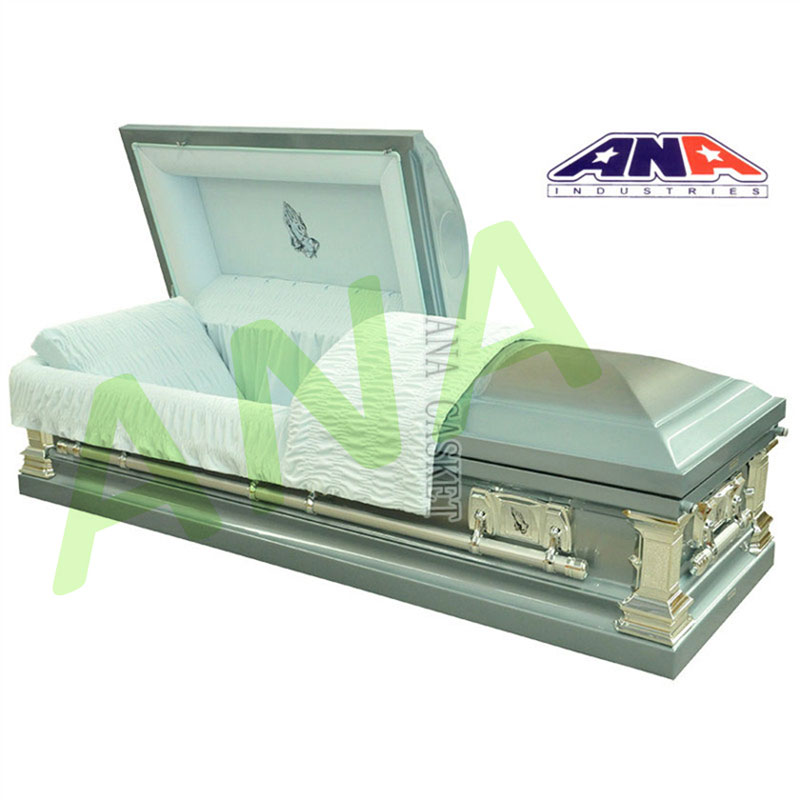
Comparing materials clarifies why this specific alloy remains so popular. Every family has completely different priorities regarding aesthetics, strength, and budget. Let us break down how this option stacks up against common alternatives.
First, compare it directly to standard carbon steel. Carbon steel usually comes in 18-gauge or 20-gauge thicknesses. Standard steel heavily relies on protective paint and clear coats. If you scratch the paint, the exposed steel quickly rusts when buried. A Stainless Steel Casket inherently resists rust throughout the entire metal body. You do not have to worry about superficial scratches ruining the integrity of the unit.
Second, look closely at hardwood options. Wood provides a highly traditional, warm aesthetic. People appreciate the natural grain of oak, cherry, or mahogany. Conversely, metal offers a modern, sleek, and highly polished aesthetic. A major functional difference also exists between the two. Hardwood models do not feature rubber gasket seals. Wood naturally breathes and expands alongside temperature changes. If you want a tightly sealed lid, you must choose metal.
Finally, evaluate copper and bronze. These are non-rusting, naturally occurring precious metals. They represent the absolute pinnacle of funeral luxury. However, they are incredibly heavy and notoriously expensive. The material we are evaluating proves functionally similar in overall durability. Yet, it weighs significantly less. More importantly, it hits a much lower price point while maintaining the same high-end appearance.
Material Category | Rust Resistance Level | Gasket Seal Feature | Relative Weight | Typical Price Tier |
|---|---|---|---|---|
Standard Carbon Steel | Low (Relies purely on surface paint) | Available | Moderate | Budget |
Stainless Alloy | High (Inherent chromium protection) | Available | Moderate to Heavy | Mid-Range to Premium |
Solid Hardwood | N/A (Highly susceptible to soil rot) | Not Available | Heavy | Mid-Range to Premium |
Copper / Bronze | Maximum (Naturally defies rust) | Available | Very Heavy | Luxury |
Budgeting for funeral expenses requires clear, objective data. Prices fluctuate wildly based on exactly where and how you purchase the item. Setting expectations early drastically reduces financial stress for the family.
Average price ranges vary significantly across the industry. If you buy directly from a traditional funeral home, expect standard retail pricing. These models often start around $3,000 and can easily exceed $6,000 depending on the brand. Conversely, third-party online vendors provide much lower baseline costs. The exact same models online might range anywhere from $1,500 to $3,500.
Several distinct variables drive these prices up:
Alloy Grade: Utilizing the premium 304 series metal costs significantly more than utilizing basic, magnetic alloys.
Finishing Techniques: Specialized brushed finishes require labor-intensive hand polishing before they leave the factory.
Custom Hardware: Customized corner pieces or intricate swing-bars add immediate cost to the final bill.
Interior Fabrics: Upgrading from basic crepe to premium, hand-tufted velvet always increases the overall price.
Understanding the difference between funeral home markups and direct-to-consumer models is vital. Traditional funeral homes rely heavily on product markups. They use this revenue to cover extensive overhead costs. They must maintain large facilities, employ 24-hour staff, and service fleets of vehicles. This traditional pricing model is completely normal for their business structure.
E-commerce alternatives operate quite differently. They skip the expensive showroom entirely and ship directly from regional warehouses. We frame this purely as a budget consideration. It is not an attack on the hard work of funeral directors. Families simply must decide which purchasing route best fits their current financial reality.
The internet has totally revolutionized how families plan funerals today. You no longer have to restrict your choices to whatever sits in a local showroom. However, buying such a large, important item online requires careful attention to logistics and your legal rights.
You must first deeply understand the FTC Funeral Rule. This federal law actively protects consumers across the country. Families have the absolute legal right to buy items online. You can have the product delivered directly to your chosen funeral home. Funeral directors are legally required to accept these third-party deliveries. They cannot refuse the shipment out of spite. Furthermore, they cannot charge you any hidden handling fees for using an outside vendor. Knowing this law empowers you to shop around freely.
Logistics and shipping realities demand your close attention. E-commerce solves the pricing issue but introduces shipping variables. Follow this practical checklist when receiving an online order:
Verify the timeline: Ensure the vendor guarantees delivery at least 24 to 48 hours before the scheduled viewing.
Track the shipment: Stay in constant contact with the freight carrier to know the exact arrival window.
Inspect upon arrival: Check the exterior box for severe transit damage before signing the driver's bill of lading.
Examine the hardware: Ensure all swing bars and interior locking mechanisms function properly upon unboxing.
You must also address the weight factor proactively. The material is incredibly heavy. An empty unit easily weighs over 200 pounds. Ensure the cemetery grounds crew and your chosen pallbearers are physically prepared for this reality.
Finally, you must constantly check vault compatibility. Cemeteries typically require an outer burial container. Remind yourself to confirm standard dimensions early on. Most units measure about 28 inches wide externally. Verify these measurements to ensure the unit fits perfectly into your pre-purchased burial vault.
Selecting the proper resting place requires balancing multiple complex factors. A Stainless Steel Casket masterfully balances elegant aesthetics, long-term durability, and financial practicality. It gives families a beautiful option without suffering the extreme costs of precious metals. The added rust resistance provides lasting peace of mind for decades.
Take these immediate, practical steps to move forward with absolute confidence. First, determine a firm budget before looking at any catalogs. Establish what you can comfortably spend without going into debt. Second, check the required dimensions with your local cemetery to avoid any vault compatibility issues later. Finally, compare prices across at least two vendors. Look at one local funeral home and one online retailer. This due diligence guarantees you find the highest quality option at a fair, reasonable price.
A: It is highly resistant to rust due to its chromium content. However, no metal is entirely invincible. In extreme soil or water conditions over very long periods, minor degradation can eventually occur. Despite this, it still outlasts standard carbon steel significantly.
A: No, metal caskets are not suitable for cremation. The extreme heat of the crematory cannot break down heavy steel alloys safely. If you plan on cremation, you must choose a wood, wicker, or specialized alternative container specifically designed for that purpose.
A: 18-gauge refers only to the thickness of standard carbon steel. Carbon steel requires exterior paint to prevent rust. Stainless steel refers to the actual alloy composition, containing chromium. This unique chemical composition inherently fights off rust, regardless of the metal's thickness.
A: Yes. Most modern cemeteries require burial vaults or grave liners. They mandate this to prevent ground collapse as the earth settles, helping them keep the lawn perfectly level. This strict requirement applies regardless of the casket's structural integrity or protective gasket seal.


