
 English
Views: 0 Author: Site Editor Publish Time: 2026-10-22 Origin: Site
Finalizing funeral arrangements is an emotional and significant milestone. You face a complex choice when selecting a premium metal memorial. Families often struggle to balance the desire for a long-lasting tribute against practical budget limits. Stainless steel offers a high-grade, durable alternative. Meanwhile, copper and bronze provide absolute permanence. You must understand how these materials perform underground.
It is vital to state clearly that no casket halts the natural decomposition process. Federal Trade Commission (FTC) guidelines strictly forbid any preservation claims. Structural longevity simply means the outer shell remains intact longer. We built this evidence-based framework to guide your decision. You will learn how to evaluate unit weight, corrosion resistance, and upfront costs. This knowledge helps you evaluate options clearly. You can then make an informed, confident purchase that honors your loved one.
Material Core Difference: Solid Copper and Solid Bronze are non-ferrous (contain no iron) and will never rust, whereas Stainless Steel is a ferrous alloy that resists rust but is not immune to it.
Measurement Standards: Stainless steel is measured by gauge (thickness), while a Solid Copper Casket or Solid Bronze Casket is measured by weight (ounces per square foot).
Budget Impact: Stainless steel offers a middle-ground premium option, typically costing 30% to 50% less than copper or bronze alternatives.
Decision Driver: The choice ultimately hinges on budget, aesthetic preference, and how highly the family values absolute rust-proofing versus standard durability.
You cannot make an informed choice without understanding basic metallurgy. Casket materials fall into two main scientific categories. They are either ferrous or non-ferrous. This fundamental difference dictates how the metal reacts to moisture over time.
Stainless steel is a ferrous metal. This means it contains iron. Manufacturers mix this iron with chromium to create a durable alloy. The chromium forms an invisible oxide layer on the surface. This layer protects the inner iron from moisture. Standard carbon steel rusts very quickly in damp soil. Stainless steel resists oxidation far better than standard steel. However, it remains vulnerable. Over extended decades in a damp environment, the protective chromium layer can degrade. Once it fails, the iron inside will eventually rust.
Copper and bronze are non-ferrous metals. They contain absolutely no iron. This chemical fact gives them a unique advantage. They naturally resist rust. Instead of degrading structurally, they undergo harmless oxidation. This process creates a patina. The patina actually forms a protective seal over the metal. It safeguards the structural integrity of the memorial indefinitely.
The industry uses different systems to measure these materials. This often confuses buyers. Let us clarify the terminology.
Ounces Per Square Foot: Manufacturers use this metric for non-ferrous metals. A Solid Copper Casket and a Solid Bronze Casket are measured by weight. You will often see labels like "32 oz" or "48 oz". This means one square foot of the metal weighs exactly 32 or 48 ounces. A higher weight indicates a thicker, stronger shell.
Gauge: Manufacturers use this metric for stainless steel. Gauge measures thickness. A lower number means thicker metal. For example, 16-gauge steel is thicker and stronger than 18-gauge steel.
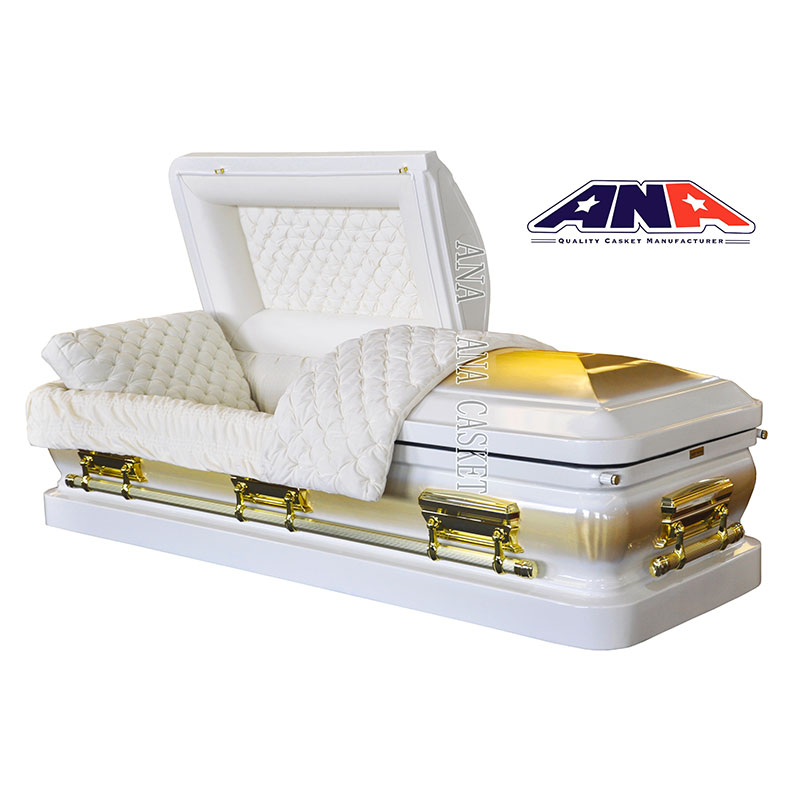
Industry professionals position these materials as the absolute top-tier of metal caskets. Families have historically chosen them for their supreme permanence and undeniable prestige. They represent the highest standard in traditional memorialization.
These premium metals offer distinct, unmatchable benefits. They provide peace of mind regarding structural longevity.
Rust-Proof Guarantee: Complete immunity to rust sets these materials apart. The complete absence of iron makes rust chemically impossible.
Exceptional Longevity: These non-ferrous shells will structurally outlast virtually any other casket material. Subterranean environments barely affect their core strength. They remain intact for centuries.
Aesthetic Aging: Time treats these metals beautifully. They develop a natural, dignified patina over time. They do not degrade structurally. Instead, they transform aesthetically.
Despite their superior qualities, you must consider a few practical drawbacks before purchasing.
Premium Price Point: This represents the highest initial financial investment. You pay a premium for rust-proof permanence.
Weight and Handling: These caskets are significantly heavier than steel options. A standard bronze unit can easily exceed 200 pounds empty. This heavy footprint requires specific handling considerations. You might need extra pallbearers during the service. Certain cemeteries may also have specific vault requirements to support the extra weight.
Common Mistake: Many families assume heavier metal equals better body preservation. This is false. The weight only improves the structural rigidity of the outer shell.
Funeral directors often frame stainless steel as the "smart premium" choice. It offers a significant upgrade over standard 18-gauge steel. Yet, it avoids the luxury price tag of solid copper or bronze. It hits a sweet spot for many buyers.
Stainless steel provides excellent value. It blends durability with versatile aesthetic options.
High Cost-to-Durability Ratio: It is much more durable than standard 18-gauge or 20-gauge steel. It achieves this at a more accessible price point than copper.
Corrosion Resistance: The unique chromium oxide layer provides excellent defense. It protects the core metal against ground moisture incredibly well.
Versatile Finishes: Stainless steel is highly adaptable. It readily accepts various paints. Manufacturers often apply beautiful brushed finishes. This allows for a highly customizable appearance to honor specific tastes.
You must understand the long-term reality of ferrous alloys. They have limits in underground environments.
Not Rust-Proof: Stainless steel can eventually succumb to rust. It can face structural degradation if the chromium layer fails. This depends heavily on soil chemistry and vault conditions.
Lower Perceived Prestige: It simply lacks the historical luxury cachet of solid bronze or copper. Some families prioritize the traditional prestige of non-ferrous metals.
Best Practice: Ask your funeral director about the specific grade of stainless steel. Grade 304 offers better corrosion resistance than basic grades. It contains higher levels of chromium and nickel.
You need a structured way to compare these options. We break down the evaluation into practical categories. This helps you weigh budget against functional reality.
The price jump from stainless steel to copper or bronze is substantial. You must weigh this against the actual added years of structural integrity. Stainless steel generally costs 30% to 50% less. It will still remain structurally sound for decades. Copper and bronze cost more but offer indefinite structural survival. You pay for the absolute certainty of a rust-proof environment.
You must factor in cemetery requirements. Most modern cemeteries require an outer burial container. They usually mandate a concrete vault. The vault supports the earth above. It stops the ground from collapsing. Because of this, the casket rarely touches the soil directly. The vault protects the metal from direct moisture contact. This reality somewhat equalizes the functional longevity of both materials. A stainless steel shell inside a dry, sealed concrete vault will last exceptionally long.
Seal quality is a major concern for families. You should know that both tiers of caskets typically come with identical sealing technology. Manufacturers use high-quality rubber gaskets on both lines. These gaskets resist outside elements. They keep water and soil out of the casket interior. The seal quality is often identical even if the shell material differs entirely.
Feature | Stainless Steel | Copper / Bronze |
|---|---|---|
Metal Category | Ferrous (Contains Iron) | Non-Ferrous (No Iron) |
Rust Resistance | High, but can eventually rust | Absolute, completely rust-proof |
Measurement System | Gauge (Thickness) | Ounces per Square Foot (Weight) |
Price Tier | Accessible Premium | Luxury Premium |
Handling Weight | Moderate to Heavy | Exceptionally Heavy |
Choosing the right memorial requires clear priorities. You need to align the material attributes with your family values. Use this shortlisting logic to guide your final choice.
You should select a non-ferrous option if absolute structural permanence is your top priority. This choice makes sense if your budget is highly flexible. Families often choose these metals to honor a specific tradition of premium memorialization. If you want a casket that will never rust under any circumstance, non-ferrous is the only option.
You should select this ferrous alloy if you want a highly dignified, durable metal option. It is perfect if you prefer to allocate the remaining budget elsewhere. Many families save money on the casket shell to fund an upgraded memorial service. You might also redirect funds toward a larger headstone or a premium, heavily lined burial vault.
Take these practical steps to finalize your arrangements smoothly.
Review Cemetery Rules: Confirm burial vault requirements with your chosen cemetery immediately. Learn if they have weight restrictions.
Request the GPL: Ask the funeral director for an itemized General Price List (GPL). Compare exact local pricing for both metal tiers.
Assess Pallbearer Capacity: Determine how many pallbearers you will have. Ensure they can comfortably manage the heavy weight of a premium metal unit.
Consult Your Family: Discuss the visual aesthetics. Decide if the family prefers painted steel finishes or the natural brushed look of copper.
Selecting a casket is deeply personal. Both metal categories represent premium choices that show deep respect for your loved one. They both offer exceptional durability and dignified aesthetics.
Stainless steel stands as the practical upgrade. It delivers robust corrosion resistance and modern beauty at a manageable price.
Copper and bronze serve as the ultimate investments in natural longevity. They guarantee a completely rust-proof tribute.
Cemetery vaults drastically extend the life of all metal shells. They minimize the environmental differences between the materials.
Focus on your budget and personal aesthetic preferences.
You face no wrong choice here. Your decision simply needs to align with your family values and budget. Either selection provides a beautiful, lasting memorial for the person you wish to honor.
A: No. Federal regulations strictly mandate that no casket guarantees the prevention of natural decomposition. Neither solid copper, bronze, nor stainless steel will preserve human remains. The material only determines how long the outer shell itself resists structural degradation in the ground.
A: No. Copper and bronze are notably heavier than stainless steel. Because manufacturers measure non-ferrous metals by ounces per square foot, these units feature dense, thick walls. You will often need more pallbearers to safely transport a non-ferrous casket during the funeral service.
A: Yes, drastically. A vault surrounds the casket, protecting it from direct soil contact and heavy earth weight. This external protection extends the life of both ferrous and non-ferrous metals significantly. A sealed vault keeps moisture away, preventing stainless steel from rusting for many decades.


